2026-02-10 — Ottawa-Gatineau
Diamond core drilling is the clean, fast and precise way to make a hole in concrete. Here's everything a homeowner or property manager should know before requesting one.
How does it work?
An industrial drill bit embedded with diamonds spins at high speed and "grinds" the concrete in a perfect circle. Water cools the tool and captures dust — the hole is clean, crack-free, and the concrete core comes out in one piece.
Typical diameters and uses
- 1" to 2": wires, network cables, small water or gas lines
- 3" to 4": plumbing pipes, dryer vents, drains
- 5" to 8": ventilation ducts, air exchangers, sprinklers
- 10" to 14"+: technical sleeves, commercial plumbing stacks, access hatches
How much does it cost?
What it looks like on site
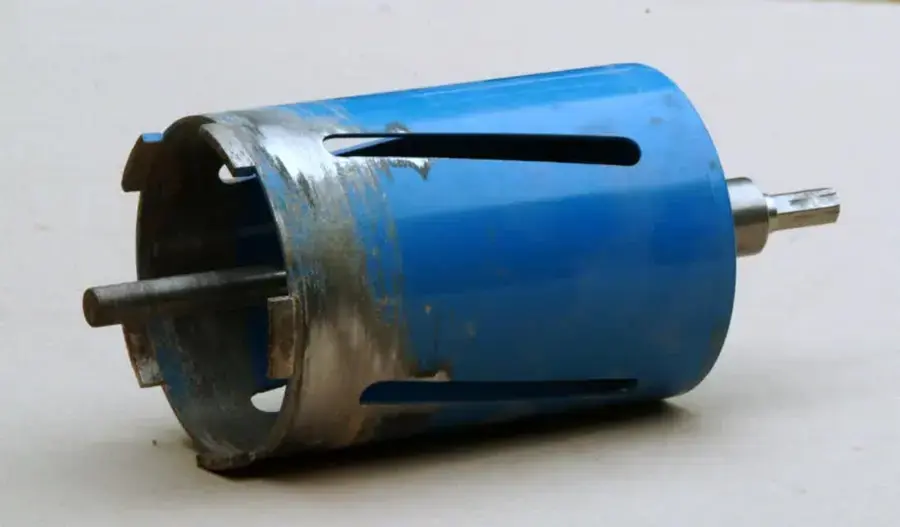 Diamond core bit
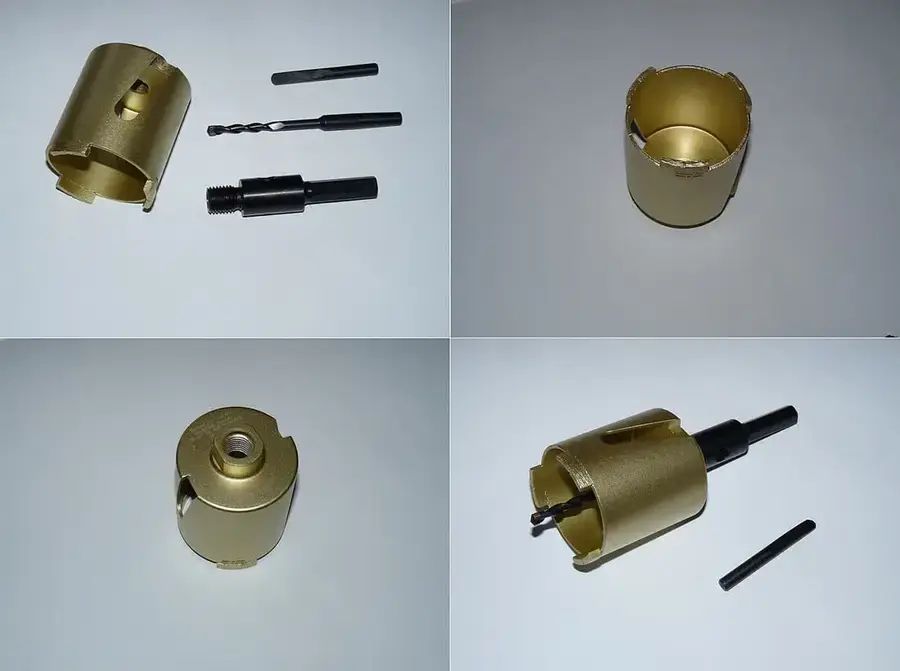 Core bits, several diameters
Price depends on diameter, thickness (4" slab vs 12" foundation) and access. Tip: the 2nd, 3rd, 10th hole costs much less — the crew is already on site. For high-volume commercial work, ask for volume pricing.
Questions to ask before drilling
- Are there cables or pipes in the wall/slab? (a ground-penetrating radar scan can be done)
- Is the wall structural? (a large hole in a load-bearing wall must be validated)
- Is fire caulking required after? (mandatory between floors in commercial buildings)
Horizontal vs vertical coring
We drill through walls (horizontal), through slabs (vertical), and even at angles. Vertical coring through a thick slab with rebar is a classic for adding a basement bathroom.
Core drilling vs jackhammer vs rotary hammer
A jackhammer makes a ragged hole, cracks the surrounding concrete and sends dust everywhere; it is only appropriate when the whole area is being demolished anyway. A rotary hammer with a carbide bit is fine for small anchors and holes under 1", but it stalls on rebar and cannot make a clean 4" opening. Diamond core drilling is the only method that produces a perfectly round, smooth hole of any diameter, through rebar, without vibration damage to the structure. That is why plumbers, electricians and HVAC installers specify it.
What happens to the core and the slurry
The concrete cylinder — the "core" — comes out in one piece and is taken away by the crew. The water used for cooling mixes with concrete dust into a grey slurry; a professional crew vacuums it as it works and disposes of it off site, since concrete slurry should never go down a storm drain. Ask the contractor to confirm cleanup is included.
Preparing your home for a coring visit
- Clear about 4 feet around the drilling spot, on both sides of the wall or floor if possible
- Have a water tap and a standard electrical outlet within reach, or tell the contractor in advance
- Move anything sensitive to water splash (boxes, electronics) out of the basement corner
- Know where your main water shut-off and electrical panel are, in case the crew needs to confirm what runs behind the wall
Common mistakes to avoid
The most expensive mistake is drilling in the wrong spot: measure from the outside and inside, and mark the exact centre before the crew arrives. The second is guessing the diameter — a dryer vent needs a 4" hole for a 4" duct plus clearance, not a 4" duct in a 4" hole. The third is skipping the scan on a slab with in-floor heating: one cut PEX line can cost more than the whole job.
Frequently asked questions
Can a hole be cored through a finished wall?
Yes. The drywall is opened at the location, the concrete behind it is cored, and the drywall is patched afterwards by the finishing trade. Water splash is contained with a collector ring on the wall.
What is the largest diameter available?
Standard bits go up to about 14"; larger openings up to 24" or more are done with a stitch of smaller cores or with a saw. Beyond that, it becomes a sawn opening rather than a cored hole.
Will coring damage the waterproofing on the outside?
The membrane is cut where the hole goes through and must be resealed around the new pipe or duct. Any contractor who does exterior work will include that step; if the coring is done from the inside only, plan for the seal separately.
Need one hole or a hundred? See our coring service →