2026-02-24 — Ottawa-Gatineau
New tenant, electrical code upgrades, sprinkler additions, server room cabling: in a commercial building, concrete regularly needs to be drilled or cut. Here's how to plan this work efficiently.
The 3 most common needs
1. Cable and wire pass-throughs
Network, fiber optics, power: we drill clean holes between floors and through concrete walls, at the exact diameter of your sleeves. Every hole is ready for mandatory fire caulking.
2. Plumbing, sprinklers and HVAC
Drain additions, sprinkler risers, ventilation ducts: coring allows clean penetrations without weakening the structure — unlike jackhammering.
3. Layout modifications
Slab trenches for new lines, openings for technical shafts, equipment pad removal: controlled cutting lets you modify the building without wild demolition.
Working in an occupied building
- Wet cutting = no dust in work spaces
- Electric equipment (no gas) for indoor work
- Work possible evenings or weekends to avoid disturbing tenants
- Floor protection and cleanup included
How to get a price fast
Send us the list: diameter × thickness × quantity × floor/access. With that (plus a few photos), we return a written quote within 24h — perfect for including in your own bids.
Volume pricing
A single hole pays for the trip. Ten holes cost much less each. For recurring contracts (property managers, electricians, HVAC), we set up a price grid in advance — you know your cost before you call.
Typical jobs by type of building
Office towers and professional buildings
Tenant fit-ups are the number one source of coring in downtown Ottawa and Hull: new floor boxes for power and data, sleeves between floors for fibre, and larger penetrations for supplemental cooling in server rooms. The work is scheduled floor by floor, after hours, with the property manager's sign-off on each penetration.
Retail and restaurants
Restaurants need drains, grease interceptors and gas lines through the slab; retail needs floor outlets and cash-wrap wiring. Slab trenches are cut with a flat saw and the concrete is removed the same day so the plumber can follow immediately.
Condominiums and apartment buildings
Dryer vents, air-exchanger ducts, new bathroom drains in a converted unit, and sprinkler retrofits are the usual requests. Because the building is occupied, wet cutting, sound scheduling and clean containment matter more than speed.
Industrial and warehouses
Thick slabs (8" to 12") with rebar, equipment pads to remove, anchor holes for racking, and large openings for conveyors or dock levellers. This is where volume pricing and heavy equipment make the biggest difference.
Scan before you drill
In a commercial slab, post-tension cables, conduits and in-floor heating are common. A GPR (ground-penetrating radar) scan of each location costs far less than repairing a cut cable and is standard practice on any occupied building. Ask for it to be included in the quote, or have your engineer specify it.
Fire-stopping and inspections
Every penetration through a fire-rated floor or wall must be sealed with a listed fire-stop system after the pipe or cable is installed. The coring contractor makes the hole to the exact diameter the fire-stop system calls for; the trade running the service is responsible for the seal. Keep the coring list and diameters on file — inspectors ask for them.
Coordination checklist for property managers
- Marked locations on site, or a drawing with dimensions to gridlines
- Diameter and quantity per location, slab thickness if known
- Access hours, elevator booking, and the floor below (for water and core drop)
- Power and water availability on the floor
- GPR scan results, or authorization to scan
- Who receives the cores and slurry for disposal
With that list, a written quote comes back within 24 hours and the crew can usually be on site within a week.
Commercial coring — real job sites
 Core bits, several diameters
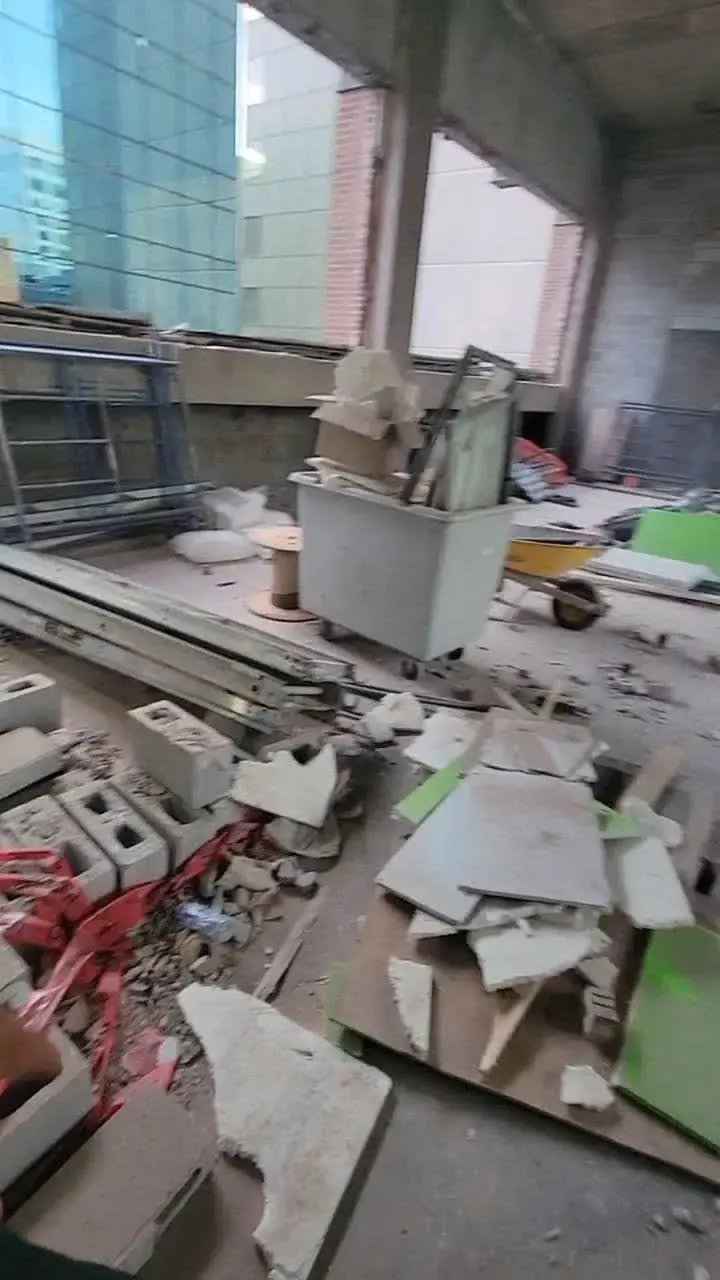 High-rise job site